
Dementia basics
What is dementia?
"She's Just Getting Older." — How Often Are We Wrong?

Find an answer
Type the question the way you would ask it at home. You can search for shower refusal, stealing accusations, nighttime wakefulness, medications, driving, food, respite, or caregiver stress.
Most asked questions
Dementia basics
"She's Just Getting Older." — How Often Are We Wrong?
Dementia basics
“It’s Just Normal Aging.” — How to Tell the Difference Between Forgetfulness and Dementia
Dementia basics
“Dr. Erik, my mom has dementia. But what stage is she in? And what am I supposed to do now?”
Behavior problems
Most caregivers see agitation, aggression, or refusal as a behavioral problem. Something to be corrected. Something to be managed. And when it gets bad enough, something to be medicated.
Behavior problems
“Dr. Erik, my mom accused me of stealing her money. I do everything for her. Why would she say that?”
Behavior problems
My breakout session was called “Practical Lessons on Dealing with Behavioral Issues,” and I focused on one of the hardest questions families face in dementia care:
Refusing help
“Dr. Erik, why does my mom keep saying nothing is wrong when everyone can see she needs help?”
Refusing help
Most caregivers try to manage the resistance in the moment. That is too late. The resistance starts before the bathroom. The goal is to neutralize the anxiety before it fires.
Refusing help
They explain again. They argue. They say, “Mom, you have to take this.” They say, “The doctor said you need it.” They say, “Please, just take the pill.” And sometimes, the more they push, the more resistance they get.
Sleep and sundowning
Nearly 70% of dementia caregivers struggle with nighttime sleep disturbances themselves. That means waking up multiple times per night, listening for wandering, responding to confusion, or staying partially awake out of fear something may happen while they sleep.
Sleep and sundowning
The term "sundowning" describes a pattern of increased confusion, agitation, and behavioral changes that begins in the late afternoon or early evening and worsens after dark.
Sleep and sundowning
But one of the things caregivers can control at home is routine.
Diagnosis and planning
The Alzheimer’s Association has reported that 40% of healthcare providers say they feel uncomfortable or lack the proper tools to make a dementia diagnosis.
Diagnosis and planning
In this issue, I want to walk you through why dementia families need to plan earlier, what documents matter, why a living will is not the same thing as a medical order, and how families can avoid being forced into crisis decision-making when the person they love can no longer speak for themselves.
Diagnosis and planning
But because early diagnosis gives families time.
Medication and treatment
"What Medications Are Available?" — A Caregiver's Complete Guide to Dementia Treatments in 2026
Medication and treatment
In this issue, I want to talk about behavioral and psychological symptoms of dementia, why medication is sometimes considered, why it should not automatically be the first tool, and what caregivers should ask before turning agitation into a prescription.
Medication and treatment
Before I get into the new drugs, I want you to understand something foundational. When it comes to Alzheimer's treatment, there are two completely different categories of medication — and most caregivers do not know the difference.
Food and eating
Sometimes it is the brain no longer recognizing the food. Sometimes it is the person forgetting how to start eating. Sometimes it is dental pain. Sometimes it is dehydration. Sometimes it is constipation. Sometimes it is medication side effects. Sometimes it is swallowing fatigue.
Food and eating
Because when we talk about dementia risk, we cannot only talk about what happens after the diagnosis. We also have to talk about the years before the diagnosis. The blood pressure. The diabetes. The vascular health. The food environment.
Caregiver support
Every week, I speak to caregivers who are carrying far more than most people realize.
Caregiver support
That caregiver is carrying a medical system, a home care system, a transportation system, a medication system, and an emotional support system on their own back.
Caregiver support
In this issue, I want to talk about why respite sometimes fails, why that failure does not mean you are stuck forever, and how caregivers can make respite safer, calmer, and more realistic.
Safety, scams, and driving
If there is immediate danger — a crash, gas and brake confusion, running red lights, a doctor saying stop — driving should stop immediately. Vehicle access may need to be removed, and a transportation plan needs to be activated.
Safety, scams, and driving
In this issue, I want to walk you through what wandering actually is, why it happens, the difference between wandering and elopement, and what you can do about it today.
Safety, scams, and driving
Today, voice cloning can mimic a loved one’s voice. Caller ID can be spoofed. Personal information can be bought, stolen, aggregated, and used to make a scam feel personal. AI-generated documents, videos, and messages can look legitimate enough to fool intelligent people.
Articles
55 articles
No articles match that search. Try fewer words or choose one of the common problems above.
Best matching section: Why Does My Loved One Ask the Same Question Over and Over? Your loved one may not remember asking the question.
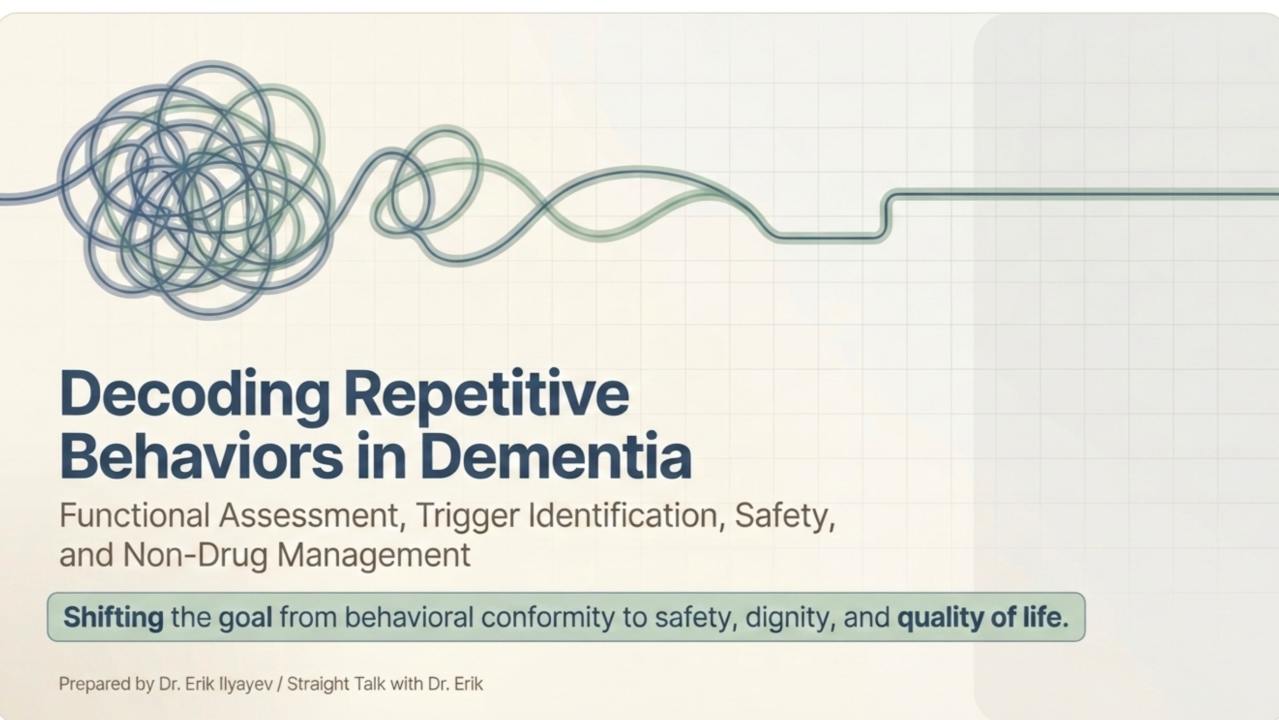
Best matching section: BEHAVIOR IS NOT RANDOM Let’s say your loved one is pacing.
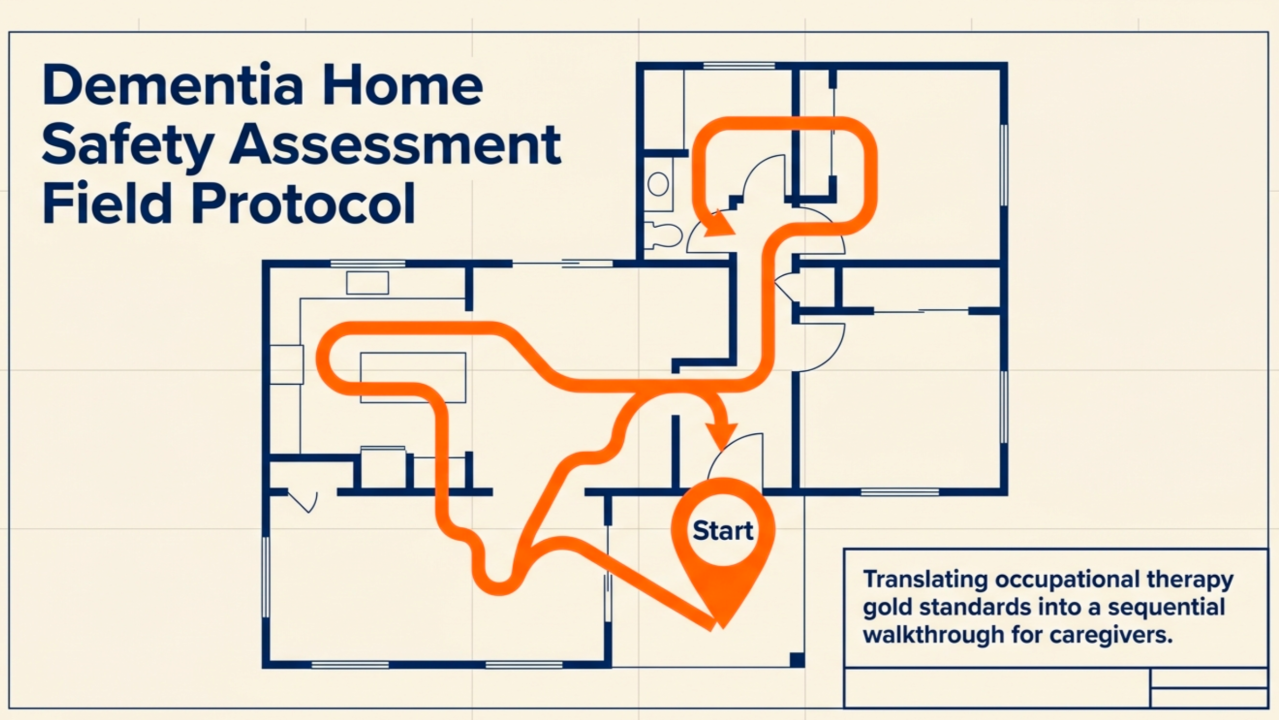
Best matching section: WANDERING IS NOT “JUST WALKING” When a person living with dementia walks out of the home, they may not understand where they are going. They may not recognize the neighborhood. They may not know how to return. They may become confused, frightened, dehydrated, injured, or exposed to unsafe conditions.
Best matching section: What Gives Me Hope About the Future of Dementia Care? What gives you the most hope in the field of brain health, cognitive health, and dementia?
Best matching section: Are the New Alzheimer’s Infusions Right for Every Patient? In this issue, I want to explain what families need to understand about the newer Alzheimer’s infusion medications, who they may be considered for, why the evaluation before treatment matters, and why this decision has to be made carefully with the patient, family, and medical team.
Best matching section: The Missing Piece, Not the Whole Puzzle: The Clinical Reality of Alzheimer's Blood-Based Biomarkers That order matters. A blood based biomarker is a powerful new piece of the puzzle, but it was never meant to replace patient history, family observations at home, a medication review, a neurologic exam, or cognitive testing.
Best matching section: Can We Protect the Brain Before Memory Loss Begins? Recently, I had the privilege of speaking with Dr. James Galvin on Straight Talk with Dr. Erik. Dr. Galvin is one of the leading voices in neurology and brain health, and in this part of our conversation, we talked about prevention, resilience, and what families can actually do before memory problems become advanced.
Best matching section: DO NOT MAKE MEMORY LOSS THE “BY THE WAY” One of the biggest mistakes families make is bringing up memory at the end of a routine doctor visit.
Best matching section: WHAT I WANT CAREGIVERS TO REMEMBER It is the beginning of the question.
Best matching section: What Should Families Do Right After a Dementia Diagnosis? And that question usually comes right after the diagnosis.
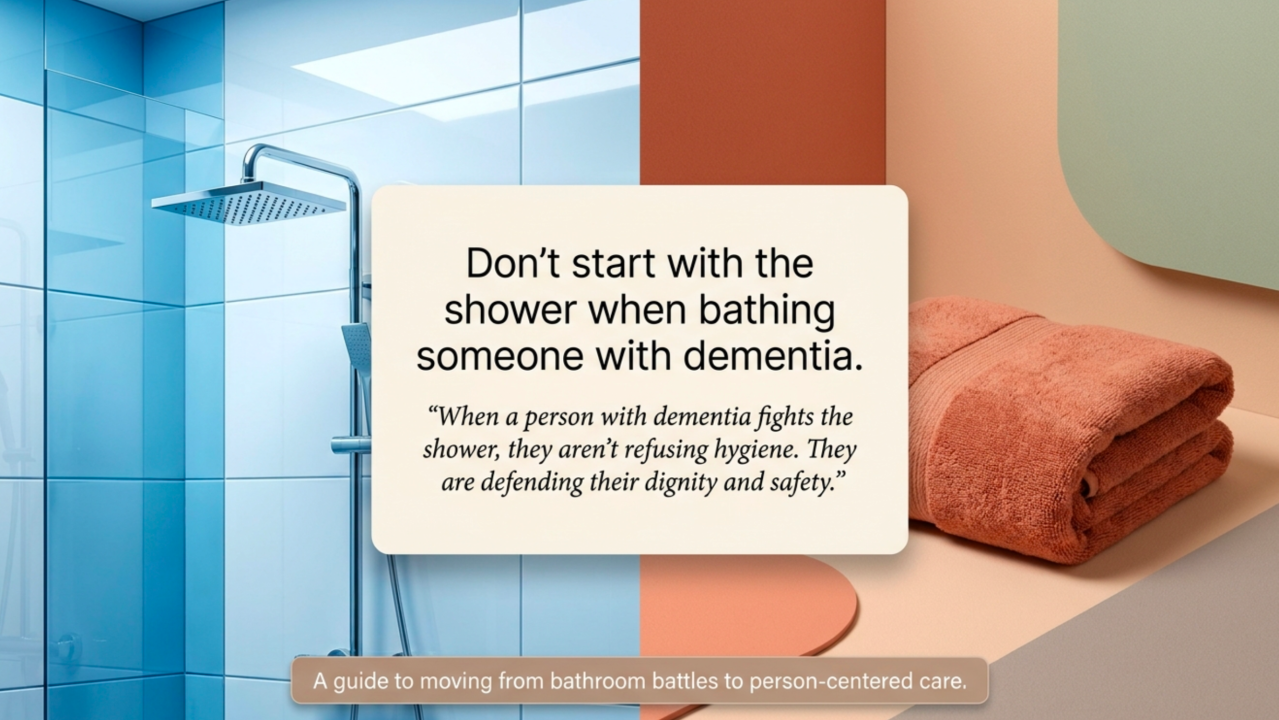
Best matching section: Why Does Bathing Become a Battle in Dementia? In this issue, I want to walk you through why bathing becomes so difficult in dementia, why forcing the shower usually makes things worse, and how caregivers can move from bathroom battles to a calmer, more person-centered bathing routine.
Best matching section: What Happens If Dementia Families Wait Too Long to Plan? In this issue, I want to walk you through why dementia families need to plan earlier, what documents matter, why a living will is not the same thing as a medical order, and how families can avoid being forced into crisis decision-making when the person they love can no longer speak for themselves.
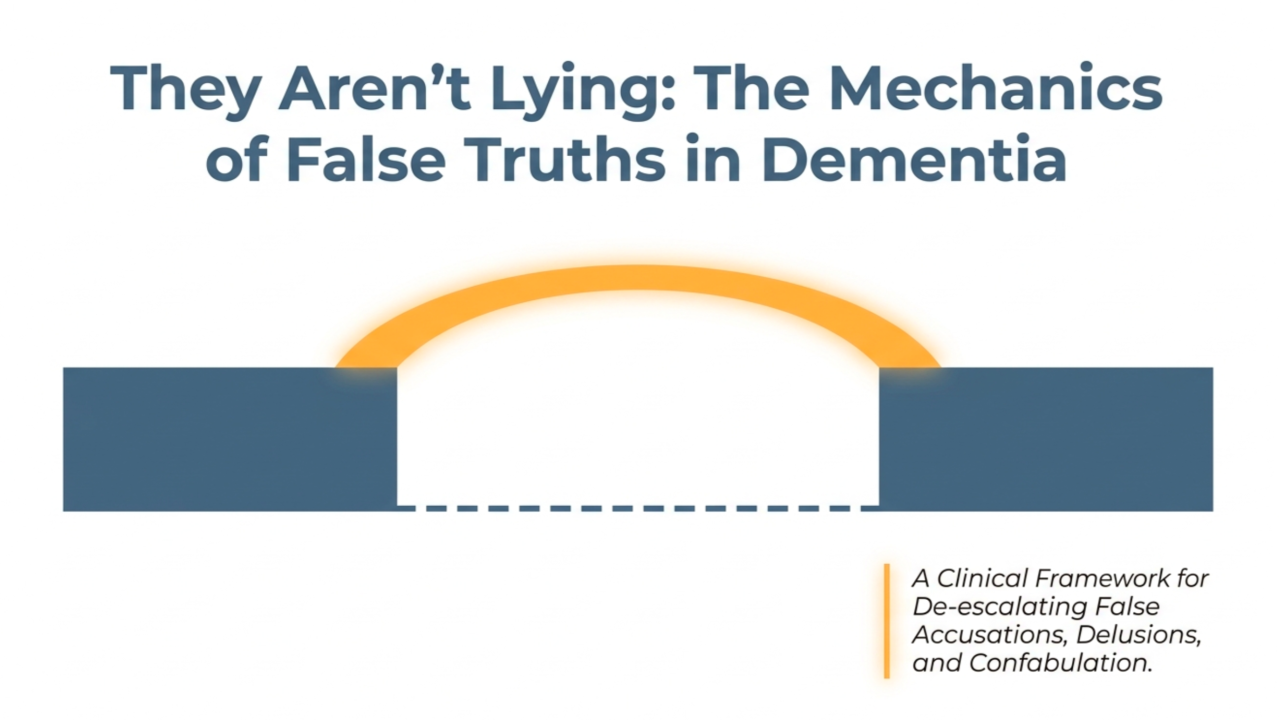
Best matching section: Why Is My L.O. Accusing Me of Stealing? “Dr. Erik, why is my loved one accusing me of things I would never do?”
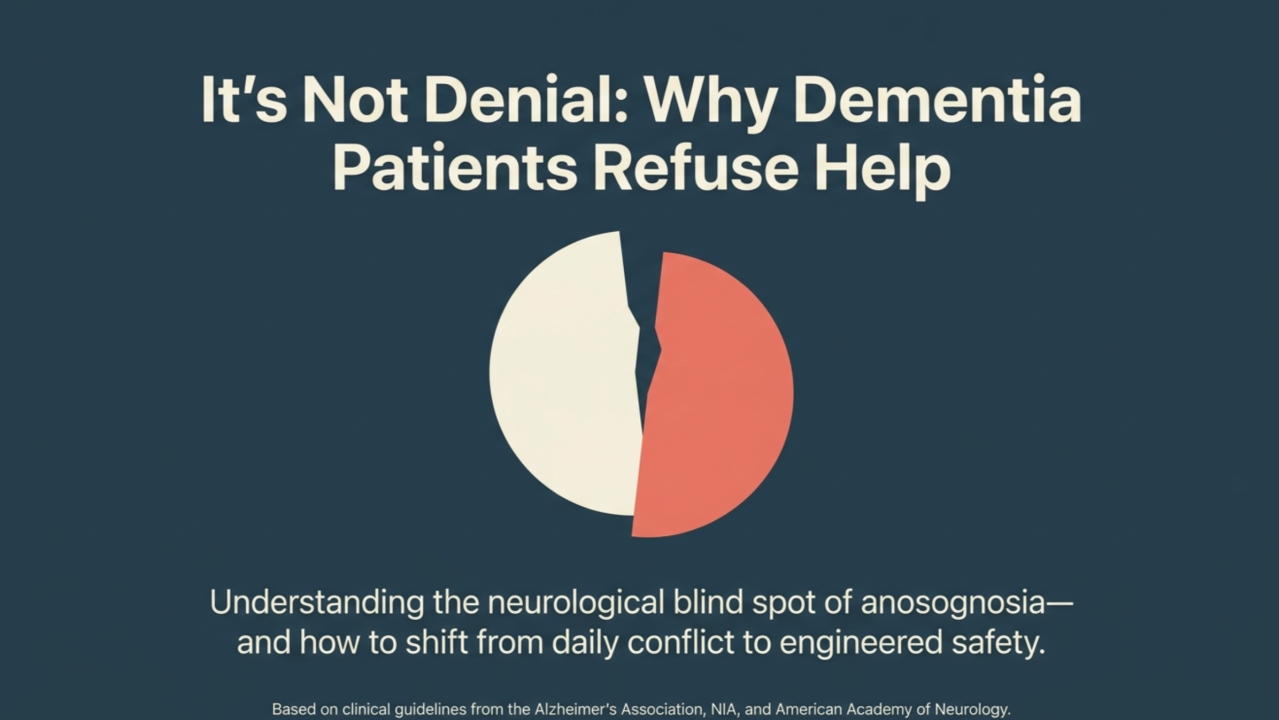
Best matching section: Why Do Dementia Patients Refuse Help? In this issue, I want to explain why some people living with dementia refuse help, why arguing with facts often makes things worse, and how caregivers can move from daily conflict to safer systems that preserve dignity.
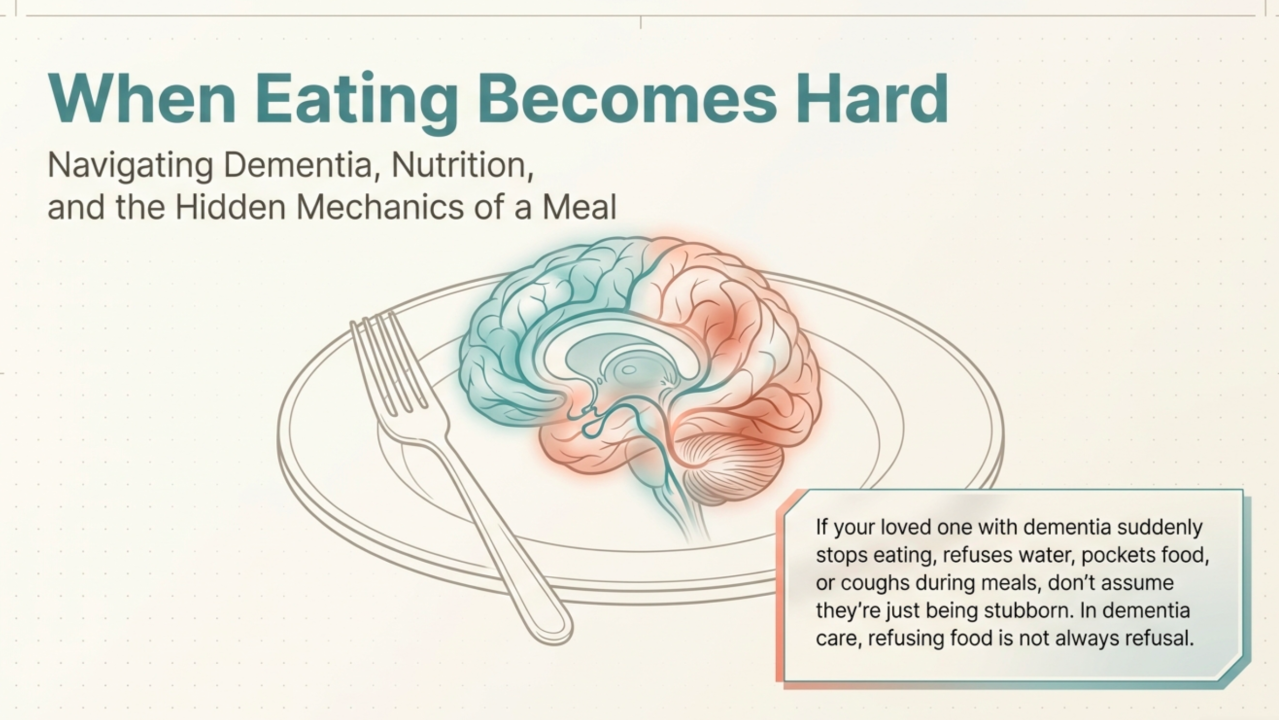
Best matching section: WHEN SWALLOWING BECOMES THE PROBLEM In dementia and Alzheimer’s disease, dysphagia can happen when the nerves and muscles of the mouth and throat no longer coordinate properly. The person may want to eat. They may be hungry. They may even accept the food into the mouth.
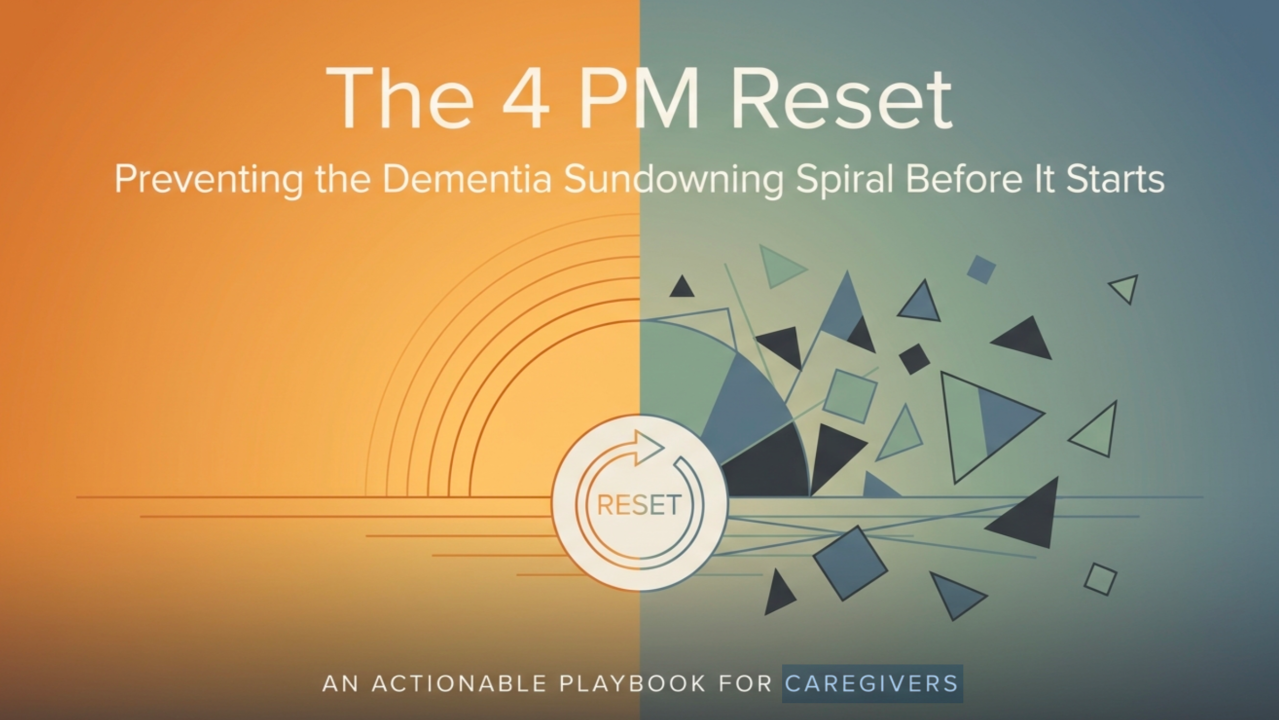
Best matching section: The 4PM Reset: Preventing the Dementia Sundowning Spiral Before It Starts In this issue, I want to walk you through what I call the 4 PM Reset — a practical way for caregivers to prevent the sundowning spiral before it starts.
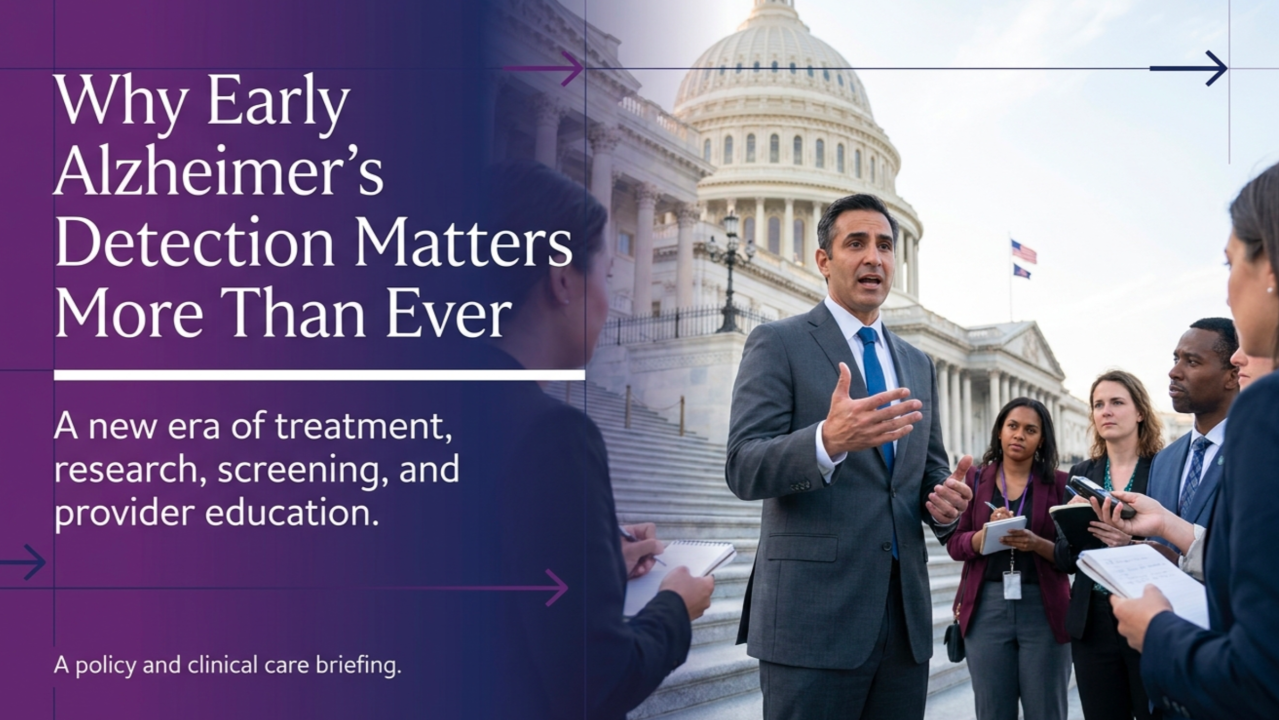
Best matching section: Why Does Early Alzheimer’s Detection Matter More Than Ever? And because the conversation has changed, early detection matters more than it ever has before.
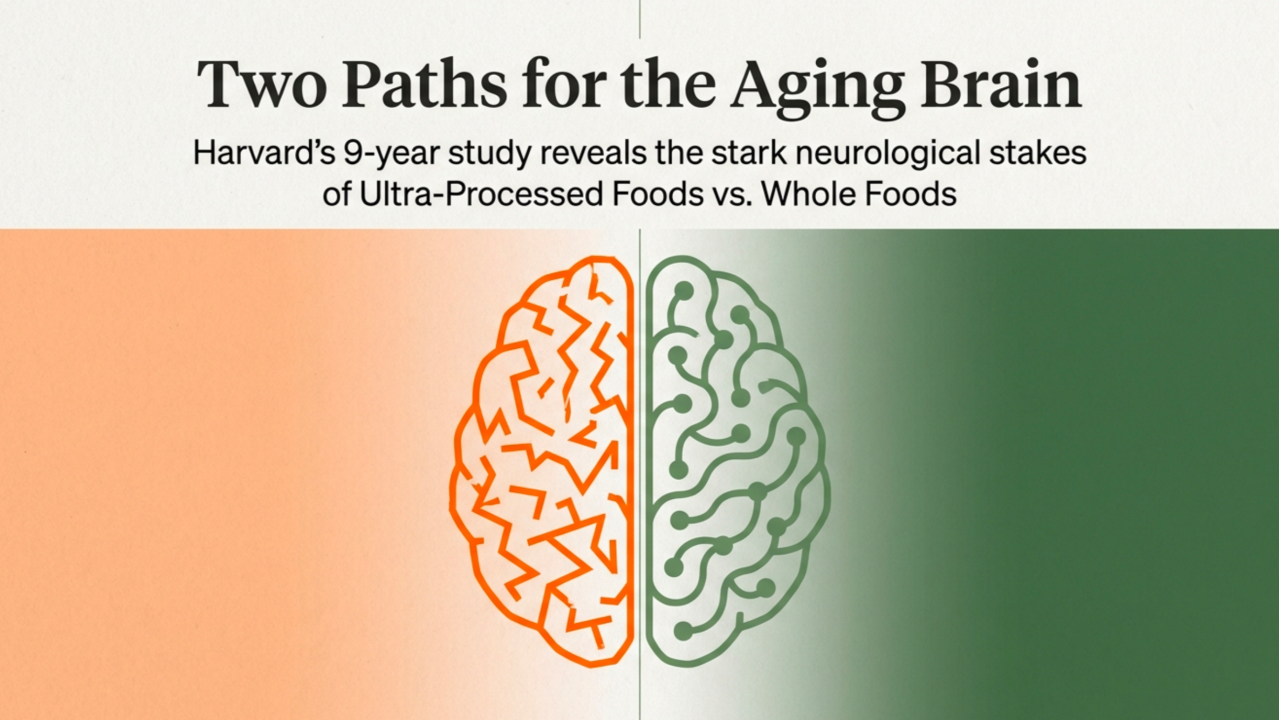
Best matching section: THE 99-POINT RISK DIVIDE The way we eat over years may affect the environment the brain has to live in.
Best matching section: THE NUMBERS SHOW THE SYSTEM IS NOT READY In Florida, there are more than 800,000 unpaid caregivers supporting people living with dementia.
Best matching section: Why Do Core Values Matter in Dementia Care? In this issue, I want to explain why MedBetterHealth is thriving in the GUIDE Model, why core values matter in dementia care, and why the families we serve should feel the values in every phone call, every care plan, every care navigator interaction, and every moment of support.
Best matching section: Why Does Dementia Care Get Harder After a Hospital Stay? In this issue, I want to walk you through why dementia care can become harder after a hospital stay, what caregivers need to watch for, and the five post-hospital questions every family should ask before and after discharge.

Best matching section: THE OLD RULES DO NOT PROTECT US ANYMORE Today, voice cloning can mimic a loved one’s voice. Caller ID can be spoofed. Personal information can be bought, stolen, aggregated, and used to make a scam feel personal. AI-generated documents, videos, and messages can look legitimate enough to fool intelligent people.
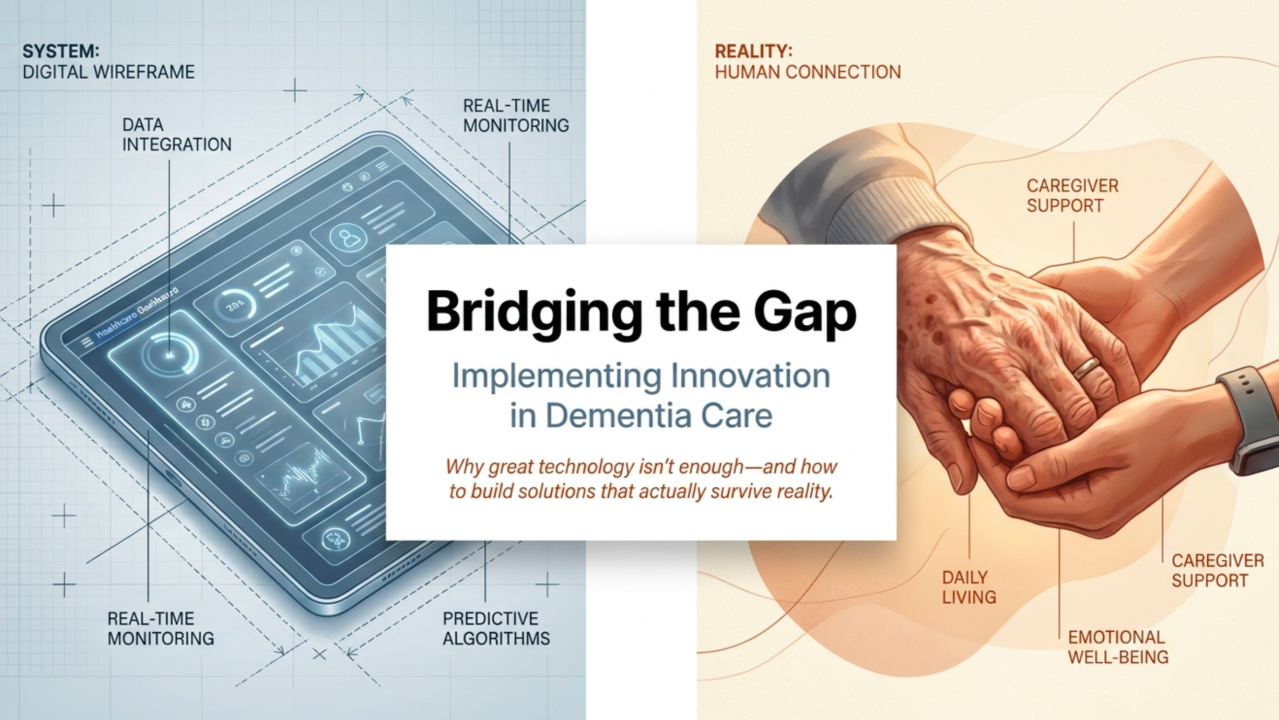
Best matching section: WHY GOOD IDEAS FAIL That is why healthcare innovation is hard.
Best matching section: THE DIAGNOSTIC GAP But because early diagnosis gives families time.
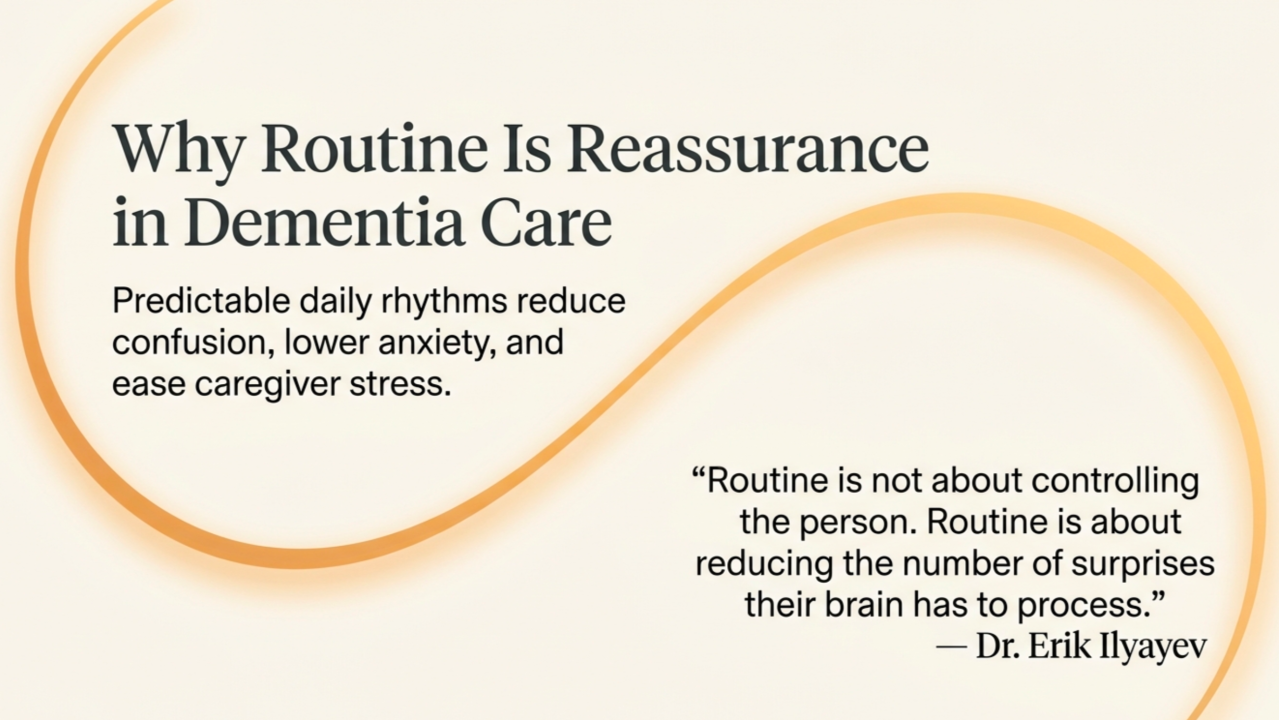
Best matching section: ROUTINE ALSO HELPS YOU SPOT MEDICAL RED FLAGS And baseline matters.
Best matching section: Why Can’t Dementia Care Focus Only on the Patient? In this issue, I want to explain the GUIDE Model, why it matters, and why dementia care can no longer focus only on the patient while ignoring the caregiver holding everything together.
Best matching section: WHAT CAREGIVERS ACTUALLY NEED They need someone to help them connect to community resources, home care agencies, adult day programs, support groups, and organizations like the Alzheimer’s Association.
Best matching section: Why Do Dementia Care Decisions Tear Families Apart? In this issue, I want to talk about why family conflict happens in dementia care, how disagreement delays the decisions that matter most, and what families can do before a difficult conversation becomes a difficult situation.
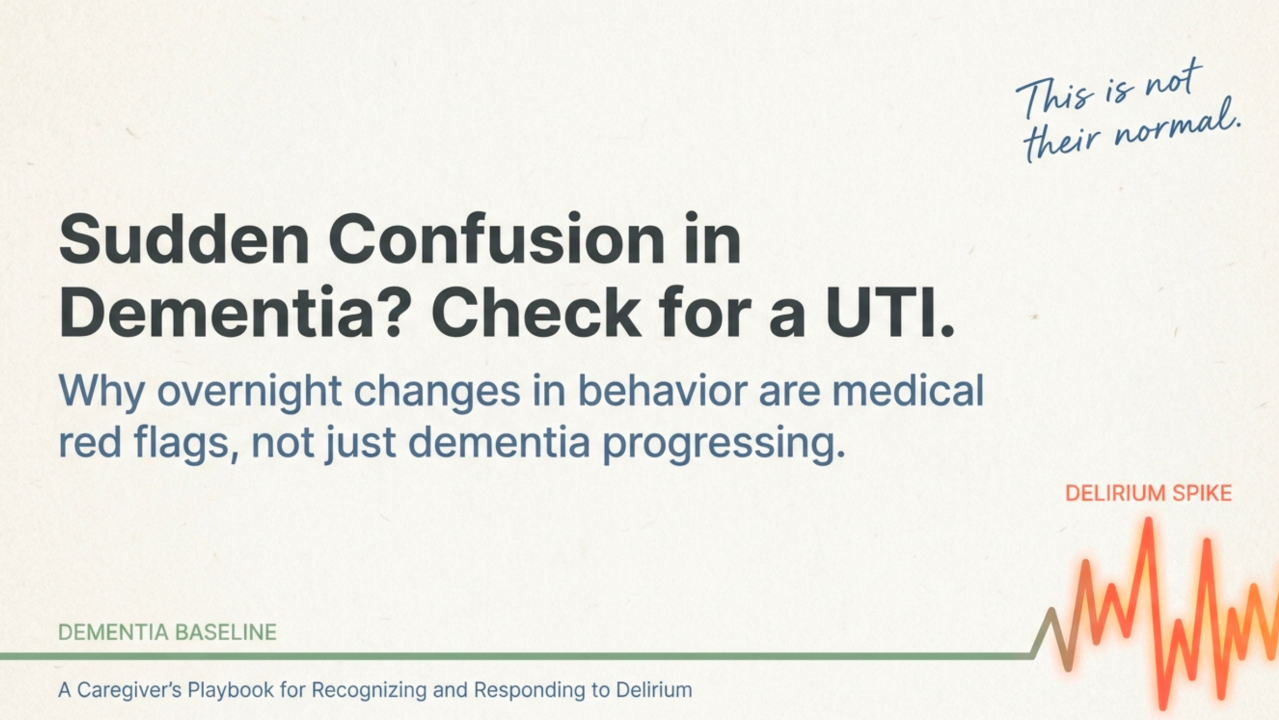
Best matching section: DO NOT TREAT THE BEHAVIOR AND MISS THE CAUSE If a loved one suddenly becomes agitated, hallucinating, paranoid, or confused, some families immediately ask:
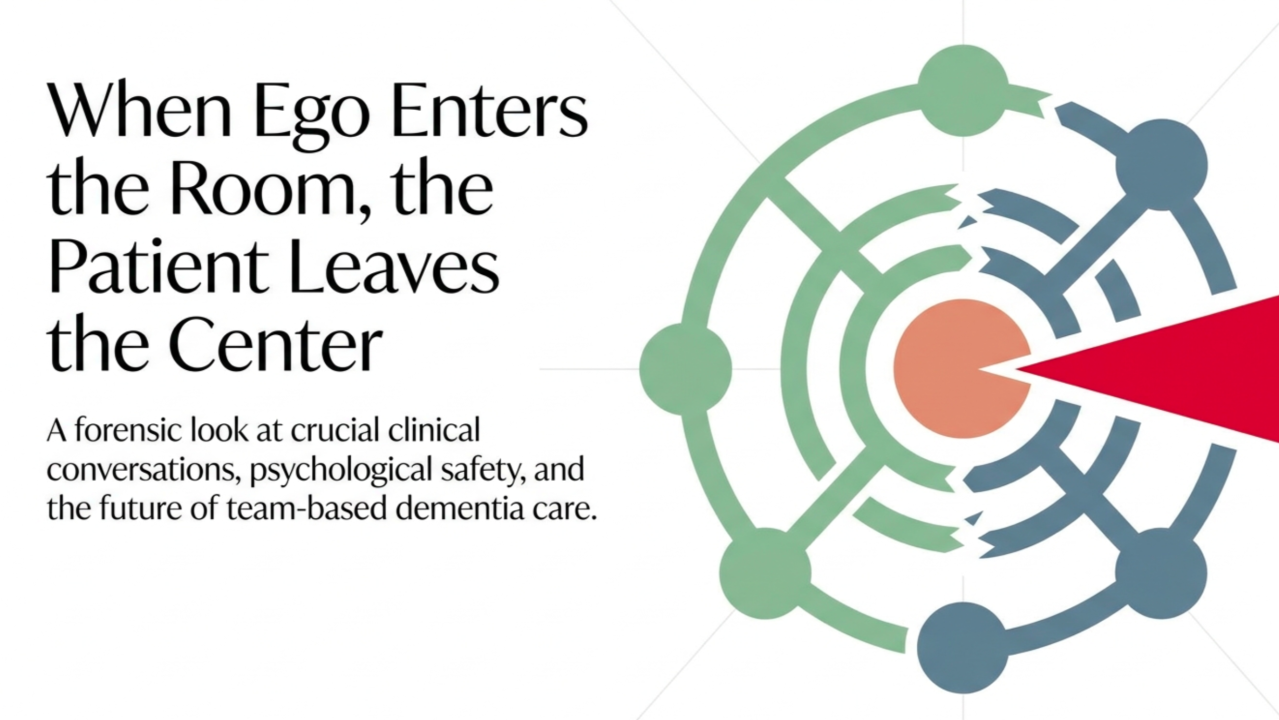
Best matching section: How Do We Keep the Patient at the Center When Care Conversations Get Difficult? In this issue, I want to talk about crucial conversations, ego, psychological safety, and why team-based dementia care only works when everyone keeps the patient and caregiver at the center.
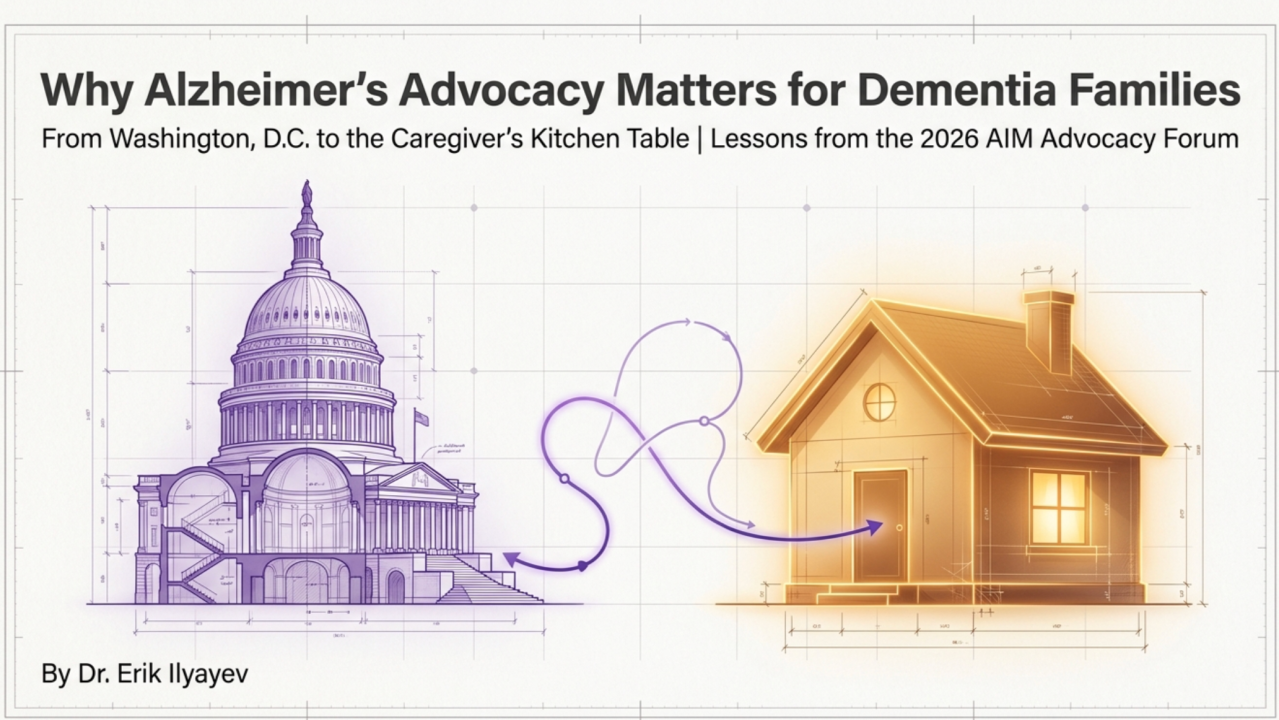
Best matching section: WHY WE WENT TO WASHINGTON There were caregivers there. Physicians. Advocates. Families. People who lost someone to Alzheimer’s. People currently caring for someone. People who have dedicated their lives to making sure the next family does not go through this alone.
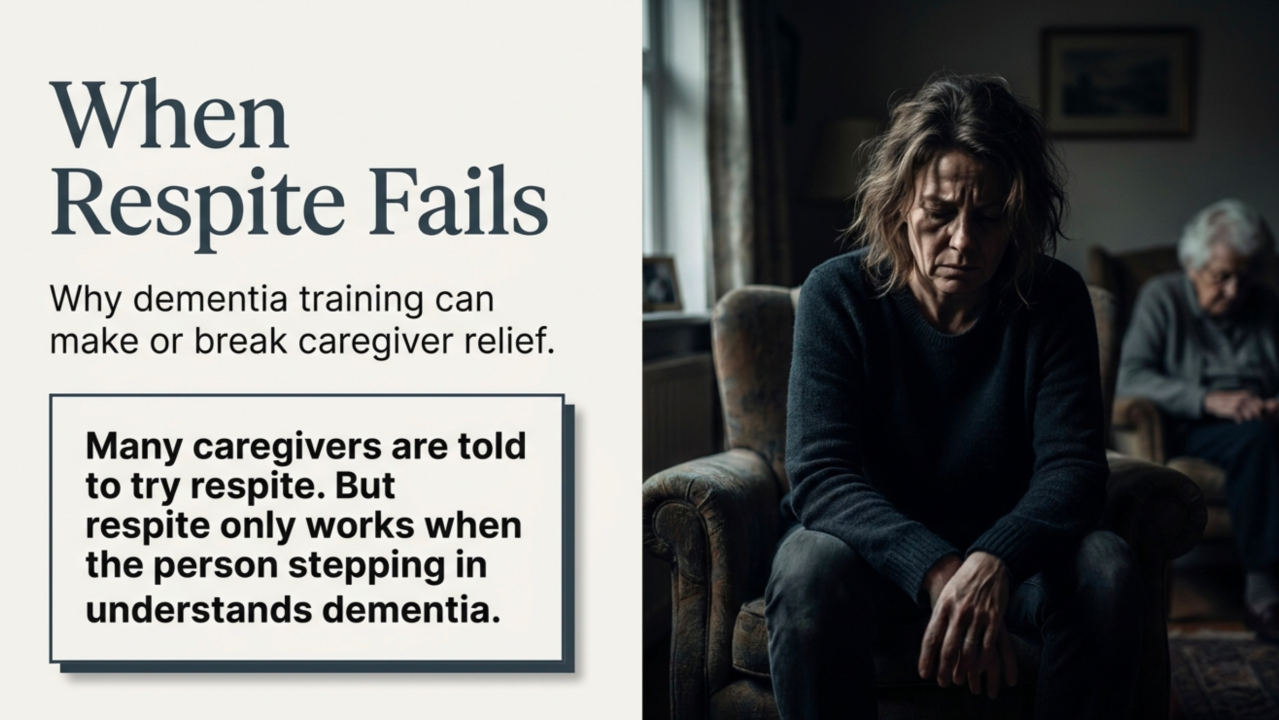
Best matching section: Why Does Respite Care Sometimes Fail for Dementia Caregivers? In this issue, I want to talk about why respite sometimes fails, why that failure does not mean you are stuck forever, and how caregivers can make respite safer, calmer, and more realistic.
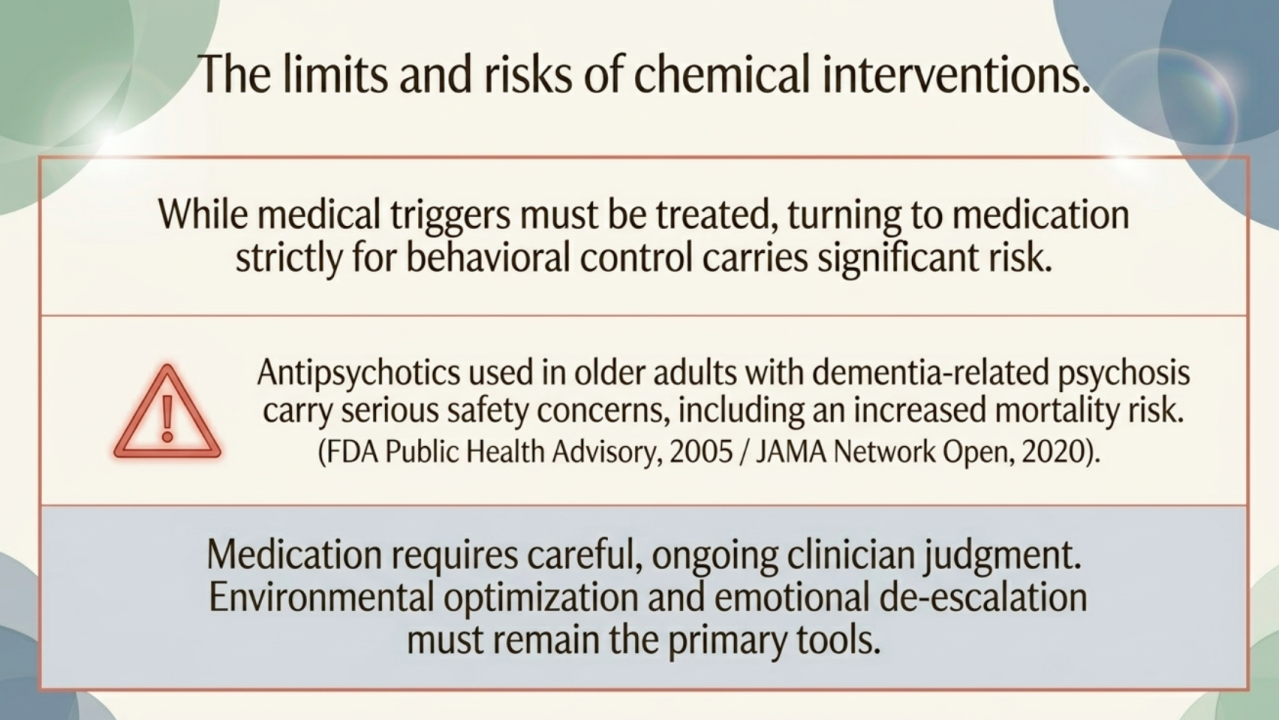
Best matching section: Should Medication Be the First Answer for Dementia Agitation? In this issue, I want to talk about behavioral and psychological symptoms of dementia, why medication is sometimes considered, why it should not automatically be the first tool, and what caregivers should ask before turning agitation into a prescription.
Best matching section: Why Is My Loved One With Dementia Accusing Me of Stealing? “My loved one accused me in front of other people, and I was so embarrassed I didn’t even know what to say.”
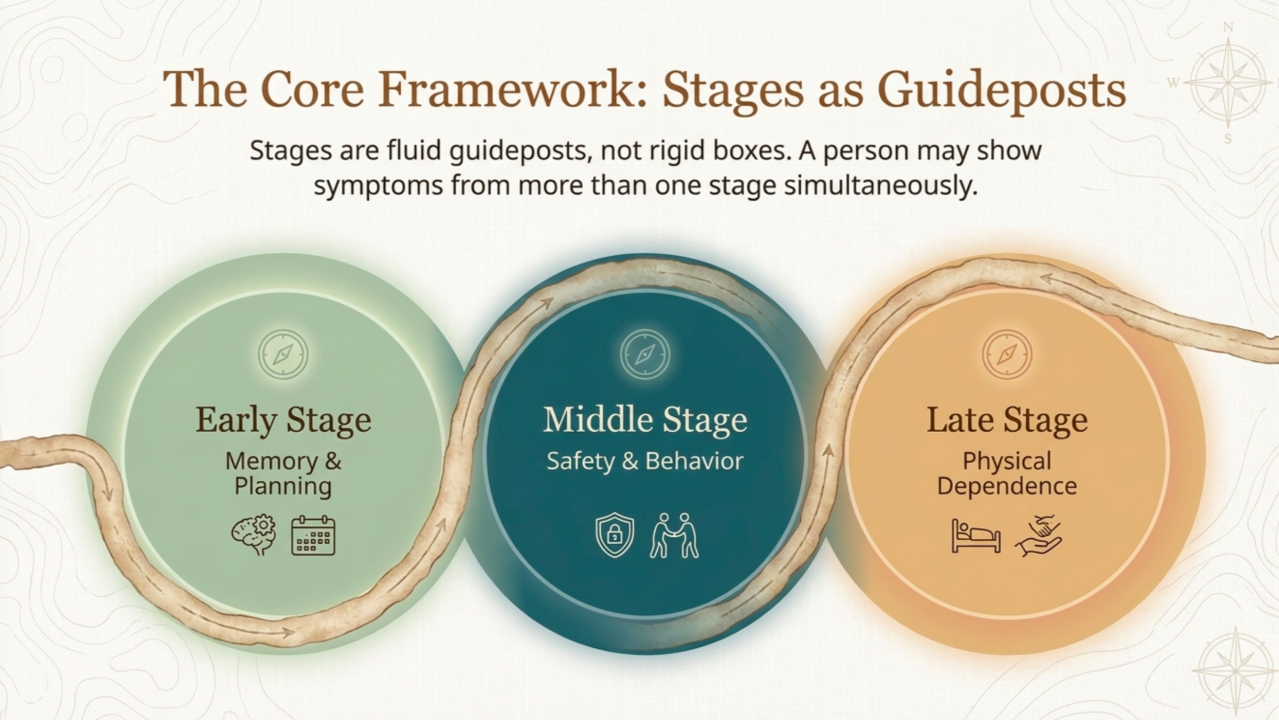
Best matching section: LATE STAGE DEMENTIA: PHYSICAL DEPENDENCE AND COMFORT If your loved one is coughing or choking when eating, that may be a sign of swallowing difficulty. Sometimes food or liquid can go down the wrong way into the airway and lungs. That can lead to aspiration and pneumonia. This is not something to ignore. Families should speak with the medical team and consider whether a swallowing evaluation is needed.
Best matching section: THE DRIVING DECISION MATRIX If there is immediate danger — a crash, gas and brake confusion, running red lights, a doctor saying stop — driving should stop immediately. Vehicle access may need to be removed, and a transportation plan needs to be activated.
Best matching section: How Is Dementia Actually Diagnosed? In this issue, I want to walk you through how dementia is actually diagnosed, what tests are commonly used, what those tests do and do not prove, and why a diagnosis is only the beginning of the caregiving journey.
Best matching section: MEDICATION REFUSAL IS MORE COMMON THAN PEOPLE THINK You may be thinking, “If she does not take this, what happens?” You may be worried about blood pressure, diabetes, memory medication, heart medication, mood medication, or a medication the doctor specifically told you was important. You may feel guilty because you cannot get your loved one to cooperate. You may feel angry because you are trying to help and they are accusing you of hurting them.
Best matching section: Why Do Dementia Behaviors Happen — And What Should Families Do? In this issue, I want to walk you through the major lessons from my presentation: why dementia behaviors happen, what families often miss, and what caregivers can do when hallucinations, delusions, wandering, and agitation become overwhelming.
Best matching section: THE OTHER SIDE OF DIGNITY: DO NOT ARGUE WITH DEMENTIA REALITY There was another moment with my grandmother that taught me something different.
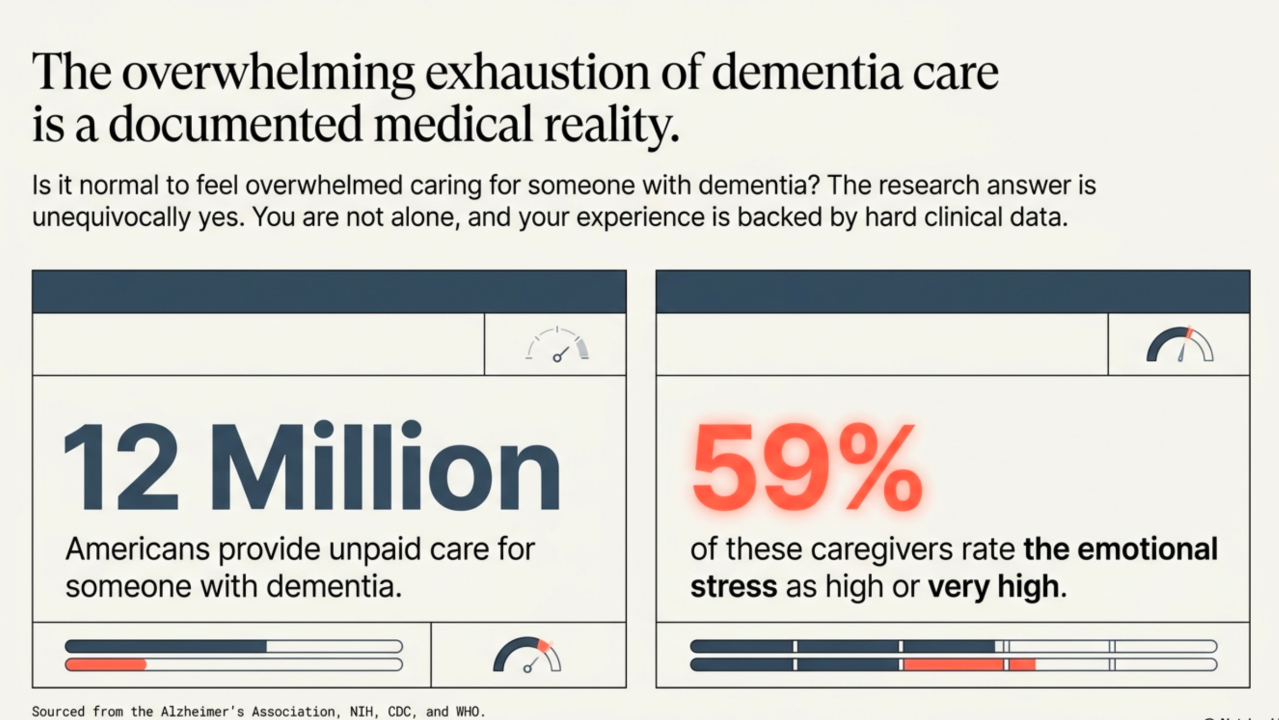
Best matching section: THE HIDDEN WORKFORCE OF DEMENTIA CARE And if you are a caregiver, you probably know exactly what that feels like. You may work all day, sit in traffic, and then drive straight to mom’s house at 6 PM to make sure she ate, took her medications, and has enough food for the week. You may be trying to keep your own household together while also managing another person’s entire life.
Best matching section: THE 3 AM REALITY: YOU ARE NOT ALONE Nearly 70% of dementia caregivers struggle with nighttime sleep disturbances themselves. That means waking up multiple times per night, listening for wandering, responding to confusion, or staying partially awake out of fear something may happen while they sleep.
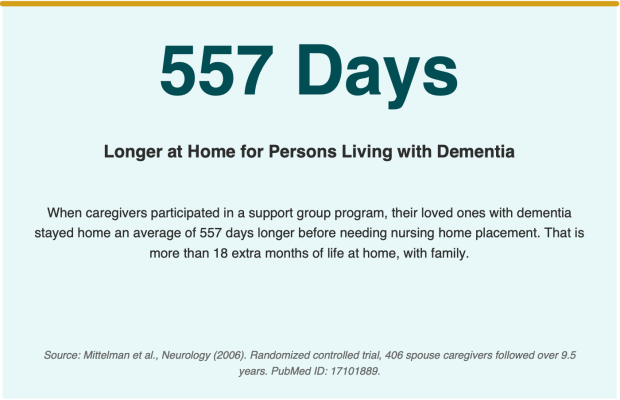
Best matching section: THE POWER OF CAREGIVER SUPPORT GROUPS This issue is different from most. I am going to walk you through a real moment I witnessed in a caregiver support group — a moment that moved me to tears and revealed something about dementia caregiving that no medical textbook ever taught me.
Best matching section: The One Resource Most Dementia Caregivers Overlook (And It's Not a Medication) Most caregivers immediately picture a dreary room where older adults sit in a circle staring at a television. That image stops families from even considering what might be the single most powerful — and most underutilized — intervention in dementia care. By the time you finish reading this issue, I want you to see adult day services for what they really are: a clinically validated, community-based tool that protects both your loved one and you.
Best matching section: Why Does My Loved One with Dementia Refuse to Shower — and What Can I Actually Do About It? Bathing refusal is one of the most physically and emotionally exhausting challenges in dementia care. And most families are dealing with it completely alone — with no framework, no strategy, and no one to call.
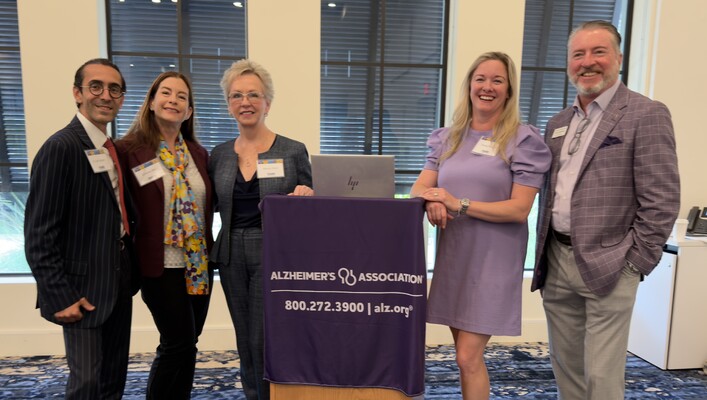
Best matching section: What Does It Really Take to Fight Alzheimer's in South Florida? Last week I had the privilege of speaking at the Alzheimer's Association® Corporate Leaders Breakfast in South Florida. I was asked three questions in front of a room full of executives, business leaders, and community partners. The answers I gave are the same ones I give every caregiver, every family member, and every person who asks me why I do this work.
Best matching section: Are There Any New Treatments That Can Actually Slow Alzheimer's Disease? Every week I get asked the same question: "Dr. Erik, are there any new medications for Alzheimer's? Is there anything new out there? Anything that actually works?"
Best matching section: WHAT ARE THE TRIGGERS? INTERNAL FACTORS On the emotional side: feelings of fear, loneliness, and lack of purpose. Here is something I want you to know — research shows that a lack of purpose significantly accelerates dementia progression. A person sitting idle with nothing meaningful to do will deteriorate faster and act out more. And then there is mental health — depression, delusions, hallucinations. All of these are internal triggers that drive behavioral changes every single day.
Best matching section: SUNDOWNING "Why Does She Get So Agitated Every Evening?" — What Sundowning Really Is, and How to Stop It
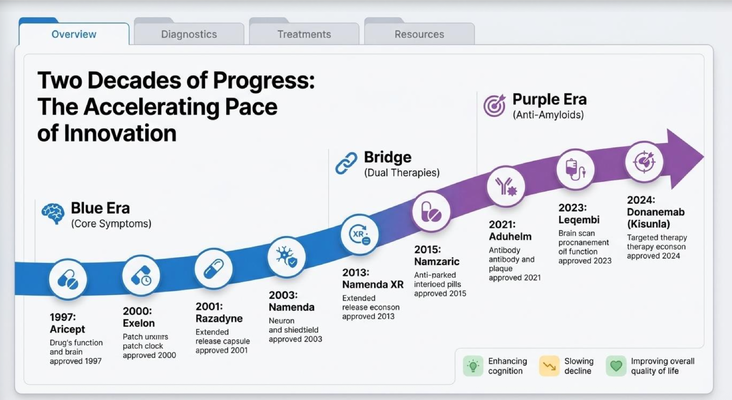
Best matching section: DEMENTIA MEDICATIONS "What Medications Are Available?" — A Caregiver's Complete Guide to Dementia Treatments in 2026
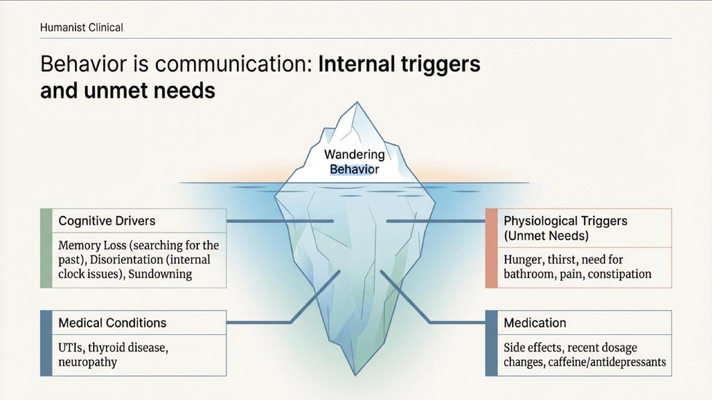
Best matching section: WANDERING & ELOPEMENT In this issue, I want to walk you through what wandering actually is, why it happens, the difference between wandering and elopement, and what you can do about it today.

Best matching section: Delusions and Hallucinations “It’s Just Bad Behavior.” — The Hidden Reality Behind Delusions and Hallucinations in Dementia

Best matching section: Normal Aging vs Dementia Every week I sit with families who say the same thing: “We thought it was just normal aging. Everyone forgets things as they get older, right?”

Best matching section: Is Hearing Loss Linked to Dementia? “It’s Just Hearing Loss.” — The 71% Dementia Risk No One Talks About
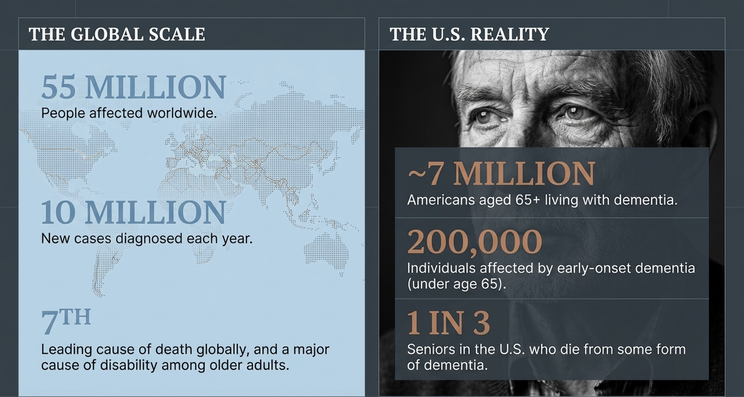
Best matching section: What is Dementia? "She's Just Getting Older." — How Often Are We Wrong?